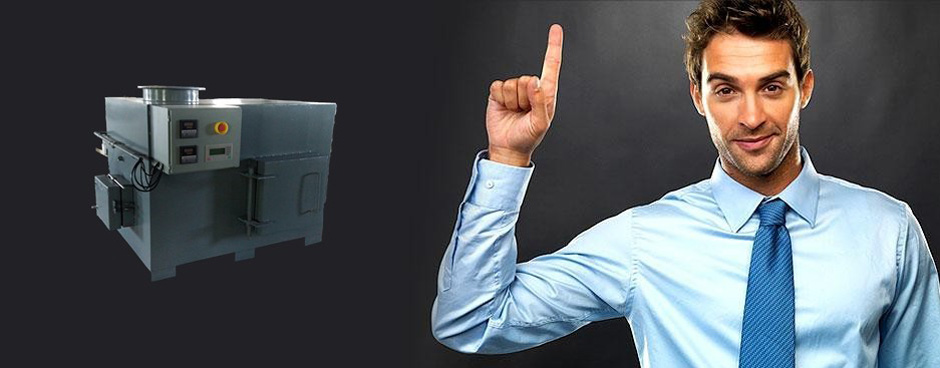
CHAMBRE DE COMBUSTION PRIMAIRE
1.CHARGEMENTSystème de chargement hydraulique afin de pouvoir charger le four en toute sécurité même durant son fonctionnement et aussi assurer la puissance destructive globale de 450 kg/j Le système comprend :1-1Trémie de chargement de forme parallélépipédique de 0,5 m3 de volume, réalisée en tôle d’acier, bridés sur la paroi frontale de la chambre de combustion et munie d’un couvercle à charnières actionné par vérin hydraulique .Dimensions :oLongueur 1200 mm oHauteur 700 mmoLargeur 600 1-2Un poussoir hydraulique assurera le chargement de la chambre de combustion1-3 Une porte de chargement de la chambre de combustion constituée d’une guillotine à vérin hydraulique revêtue de réfractaire 1-4Un central hydraulique pour piloter tous les vérins de commande, comprenant : réservoir, pompe, électrovannes et tuyauteries2.CHAMBRE DE COMBUSTION PRIMAIRE 2-1- Le bâti est une structure métallique cylindrique revêtue intérieurement d’une couche d’isolant et d’une couche de réfractaire.2-2-Volume intérieur : 1,65 m3 2-3-Aménagementportillon de décharge des cendres : frontal ; monté sur double charnière et revêtu de réfractaire avec hublot d’inspectionLa connexion à la chambre de chargement est revêtue de réfractaire La connexion de la chambre de combustion et de la chambre de post combustion est revêtue de réfractaireInstallation des bruleursInstallation du système de distribution de l’air comburant Installation des sondes de mesure de la températureLe bac de récolte des cendres est en acier au carbone sur roulettes, équipé de racloir métallique permettant l’évacuation manuelle des cendres 3. BRULEUR DE LA CHAMBRE DE COMBUSQTIONUn bruleur de type à une flamme à l’air soufflé, alimenté par gasoil, équipé des dispositifs de sécurité Puissance thermique installée 165 KW.4. AIR COMBURANTLe système de distribution et dosage de l’air primaire en chambre de combustion comprend :Ventilateur centrifugeCanalisations de distribution airSystéme de distribution d’air à 2 canauxSoupape de régulation de l’air motorisé selon les phases de cycle de fonctionnement et de la température 5. CHAMBRE DE POST COMBUSTION 5-1- Chambre de post combustion est installée au dessus du foyer de combustion , elle est constituée d’un cylindre métallique revêtu intérieurement d’une couche d’ isolant et d’une couche de matériaux réfractaires. 5-2- Volume intérieur : 2,1 m3Est dimensionnée pour pouvoir garantir un temps de fumée de 2 secondes à 1100°C avec un pourcentage d’oxygène libre d’au moins 6 %.5-3 -AccessoiresTrappe de visite boulonnée frontal pour permettre l’inspection périodiqueLa liaison à la chambre de combustion est tapissée de réfractaireInstallation les brûleursInstallation des sondes de mesure température6. PRODUCTION DE L’AIR COMBURANT DE LA CHAMBRE DE POST COMBUSTIONVentilateur centrifugeTuyauteries de distribution d’airSérie de vannes de distribution d’air Soupape de régulation de l’air soufflé asservi par la sonde du débit d’ oxygène
Read More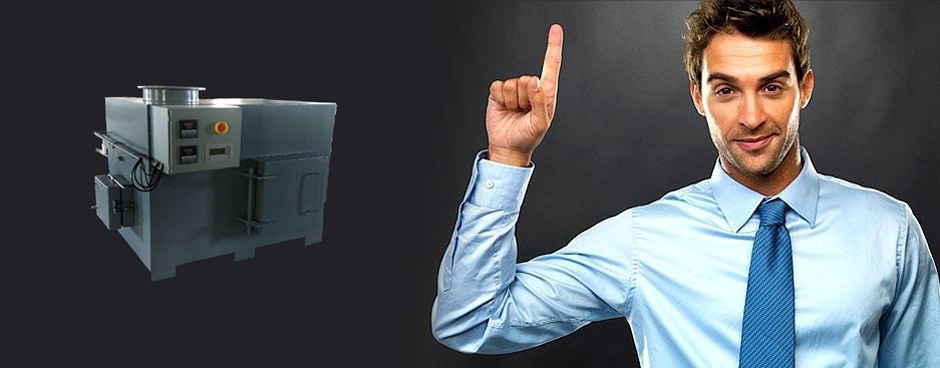
CHAMBRE DE COMBUSTION PRIMAIRE
1.CHARGEMENTSystème de chargement hydraulique afin de pouvoir charger le four en toute sécurité même durant son fonctionnement et aussi assurer la puissance destructive globale de 450 kg/j Le système comprend :1-1Trémie de chargement de forme parallélépipédique de 0,5 m3 de volume, réalisée en tôle d’acier, bridés sur la paroi frontale de la chambre de combustion et munie d’un couvercle à charnières actionné par vérin hydraulique .Dimensions :oLongueur 1200 mm oHauteur 700 mmoLargeur 600 1-2Un poussoir hydraulique assurera le chargement de la chambre de combustion1-3 Une porte de chargement de la chambre de combustion constituée d’une guillotine à vérin hydraulique revêtue de réfractaire 1-4Un central hydraulique pour piloter tous les vérins de commande, comprenant : réservoir, pompe, électrovannes et tuyauteries2.CHAMBRE DE COMBUSTION PRIMAIRE 2-1- Le bâti est une structure métallique cylindrique revêtue intérieurement d’une couche d’isolant et d’une couche de réfractaire.2-2-Volume intérieur : 1,65 m3 2-3-Aménagementportillon de décharge des cendres : frontal ; monté sur double charnière et revêtu de réfractaire avec hublot d’inspectionLa connexion à la chambre de chargement est revêtue de réfractaire La connexion de la chambre de combustion et de la chambre de post combustion est revêtue de réfractaireInstallation des bruleursInstallation du système de distribution de l’air comburant Installation des sondes de mesure de la températureLe bac de récolte des cendres est en acier au carbone sur roulettes, équipé de racloir métallique permettant l’évacuation manuelle des cendres 3. BRULEUR DE LA CHAMBRE DE COMBUSQTIONUn bruleur de type à une flamme à l’air soufflé, alimenté par gasoil, équipé des dispositifs de sécurité Puissance thermique installée 165 KW.4. AIR COMBURANTLe système de distribution et dosage de l’air primaire en chambre de combustion comprend :Ventilateur centrifugeCanalisations de distribution airSystéme de distribution d’air à 2 canauxSoupape de régulation de l’air motorisé selon les phases de cycle de fonctionnement et de la température 5. CHAMBRE DE POST COMBUSTION 5-1- Chambre de post combustion est installée au dessus du foyer de combustion , elle est constituée d’un cylindre métallique revêtu intérieurement d’une couche d’ isolant et d’une couche de matériaux réfractaires. 5-2- Volume intérieur : 2,1 m3Est dimensionnée pour pouvoir garantir un temps de fumée de 2 secondes à 1100°C avec un pourcentage d’oxygène libre d’au moins 6 %.5-3 -AccessoiresTrappe de visite boulonnée frontal pour permettre l’inspection périodiqueLa liaison à la chambre de combustion est tapissée de réfractaireInstallation les brûleursInstallation des sondes de mesure température6. PRODUCTION DE L’AIR COMBURANT DE LA CHAMBRE DE POST COMBUSTIONVentilateur centrifugeTuyauteries de distribution d’airSérie de vannes de distribution d’air Soupape de régulation de l’air soufflé asservi par la sonde du débit d’ oxygène
Read More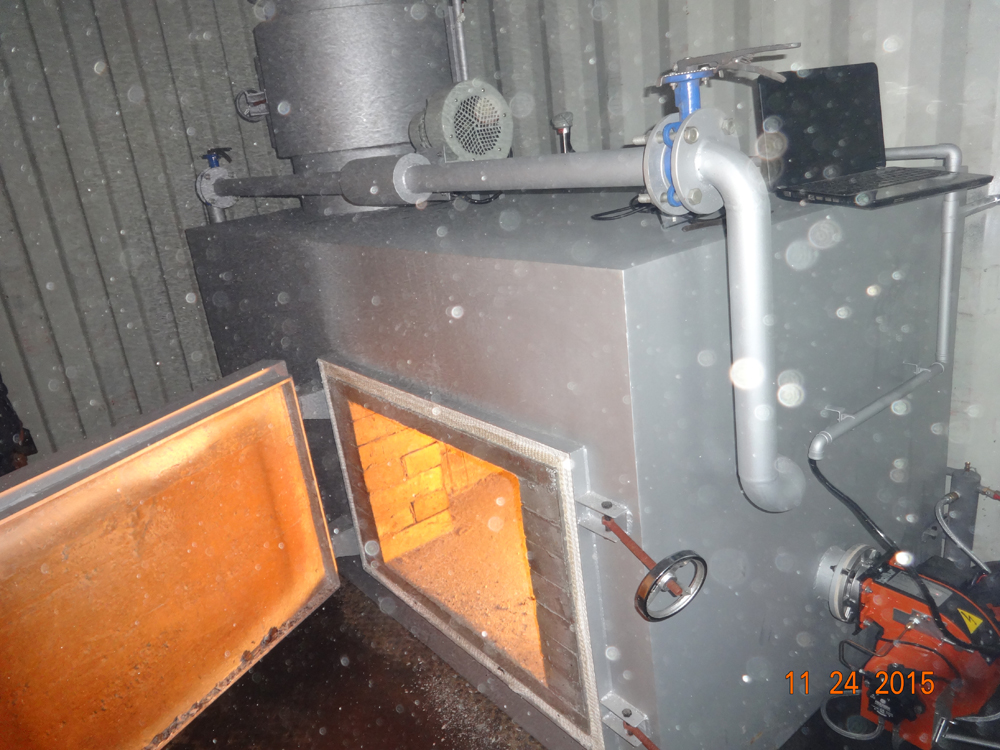
Biomedical Waste Incinerator, 10-15 KG
The Biomedical Waste Incinerator is used for Incineration of each type of Biomedical Waste.The Disposal of such Biomedical waste is a very important as it is a dangerous wastes forhuman life, and It is only possible with a perfect incinerator.Operational RequirementsIt shall be operated by manual and automated mode.The combustion efficiency (CE) shall be at least 99.00%.The combustion efficiency is computed as follows:C.E.= __%CO2______ x 100%CO2 + %COEmission Standards: Lower emission rates are preferred.Parameters Concentration in mg/Nm3 (12% CO2 correctionMax total dust 30mg/m3Max Sulphur Dioxide 200mg/m3Max Nitrogen dioxide 400mg/m3Max Carbon 100mg/m3MonoxideMinimum stack height shall be 30 metres above ground.Volatile organic compounds in ash shall not be more than 0.01%.System ConfigurationBiomedical Waste Incinerator, complete unit.Technical SpecificationsIncinerator:It shall be Electrical or Diesel Fired Incinerator or Controlled Air & pyrolytic.Type of Waste: Biomedical WasteIt shall have burning capacity 10-15 kg/hr.Fuel: DieselBurner: Monoblock fully automatic burners.Temperature: Primary Chamber 800 ± 50 oC, Secondary Chamber 1050 ± 50 oC.Type of Waste: Biomedical waste with moisture content up to 85%.Destruction Efficiency: 99%.It shall have separate digital display of temperature for both chambers.It shall have provision for measuring primary & secondary chamber temperatures using externalthermo coupler.
Read More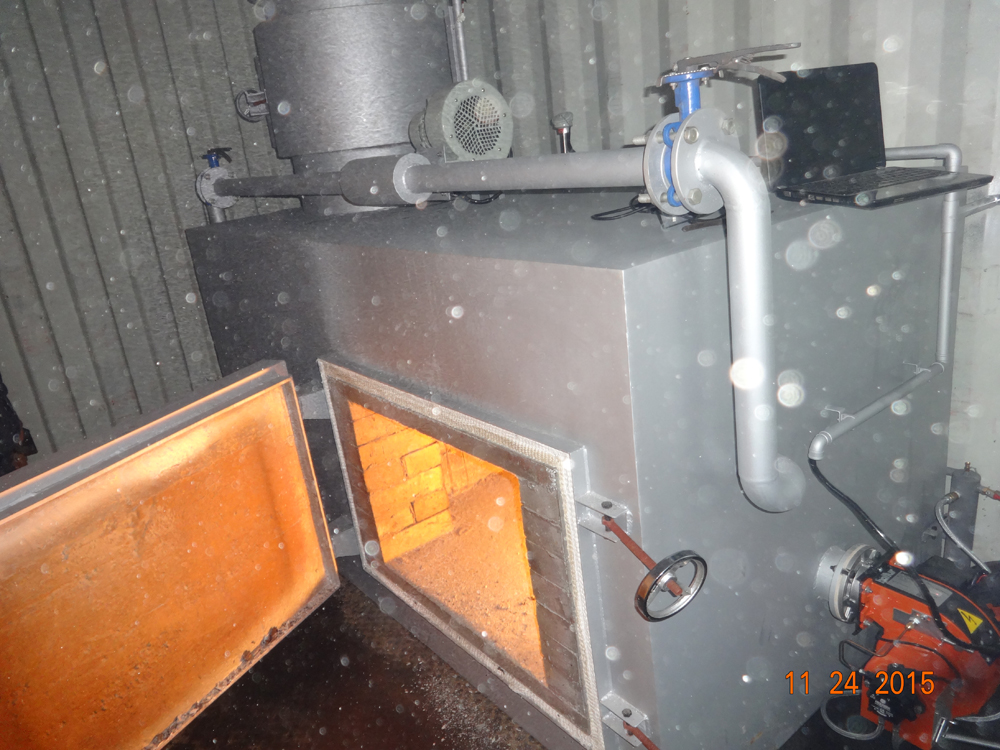
Biomedical Waste Incinerator, 10-15 KG
The Biomedical Waste Incinerator is used for Incineration of each type of Biomedical Waste.The Disposal of such Biomedical waste is a very important as it is a dangerous wastes forhuman life, and It is only possible with a perfect incinerator.Operational RequirementsIt shall be operated by manual and automated mode.The combustion efficiency (CE) shall be at least 99.00%.The combustion efficiency is computed as follows:C.E.= __%CO2______ x 100%CO2 + %COEmission Standards: Lower emission rates are preferred.Parameters Concentration in mg/Nm3 (12% CO2 correctionMax total dust 30mg/m3Max Sulphur Dioxide 200mg/m3Max Nitrogen dioxide 400mg/m3Max Carbon 100mg/m3MonoxideMinimum stack height shall be 30 metres above ground.Volatile organic compounds in ash shall not be more than 0.01%.System ConfigurationBiomedical Waste Incinerator, complete unit.Technical SpecificationsIncinerator:It shall be Electrical or Diesel Fired Incinerator or Controlled Air & pyrolytic.Type of Waste: Biomedical WasteIt shall have burning capacity 10-15 kg/hr.Fuel: DieselBurner: Monoblock fully automatic burners.Temperature: Primary Chamber 800 ± 50 oC, Secondary Chamber 1050 ± 50 oC.Type of Waste: Biomedical waste with moisture content up to 85%.Destruction Efficiency: 99%.It shall have separate digital display of temperature for both chambers.It shall have provision for measuring primary & secondary chamber temperatures using externalthermo coupler.
Read More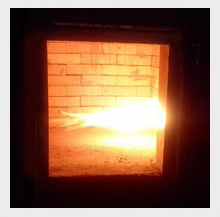
Smart Ash Small Scale Incinerators
Smart Ash Incinerators 1. Size requirement for the incinerators is that the unit works with a 55 gallon open ended steel drum. 2. The unit should operate wit. no fuel and use only 120V or 220V electricity for the blowers. 3. The unit should be capable of burning oil contaminated wastes and medical wastes with a moisture content of 0-15%J 4. Each unit should come witH two steel drums, so that a spare drum is available. Spare Parts Option If there are any vendor suggested spare parts , that list and price should be included as an option in the offer. Waste electrical or electronic appliances or assemblies, including printed circuit boards, containing toxic material and/or heavy metal and/or emitting low radiation. Used battery cells: Dry battery, UPS battery or other types, unsorted waste batteries/ battery cells, containing materials that are hazardouy. Used lead-acid batteries: Waste lead-acid batteries, rained/un-drained, and whole or crushed. Hazardous medical waste: Clinical and related waste, arising from medical, nursing or similar practices and waste generated in clinics during the investigation or treatment of patients (bio hazard). Expired drugs, solid: Waste pharmaceuticals, drugs and medicines, including sensitive medicines. Expired drugs Iiquid: Waste liquid pharmaceuticals, different type liquid chemicals for treatment, medical grease, and paraffin based xpired medicines. Expired and/or contaminated fod: Spoiled fresh food or unusable MRE’s (Meal Ready for Eat – dry food) Onsite Training and Assem Option for Industrial Incinerators I. The bidders should includ 1a price in their offer for training in a central location ( Goma or Bukavu) approximately 15 staff in the operation and maintenance of the equipment.
Read More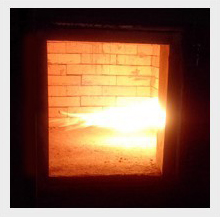
Smart Ash Small Scale Incinerators
Smart Ash Incinerators 1. Size requirement for the incinerators is that the unit works with a 55 gallon open ended steel drum. 2. The unit should operate wit. no fuel and use only 120V or 220V electricity for the blowers. 3. The unit should be capable of burning oil contaminated wastes and medical wastes with a moisture content of 0-15%J 4. Each unit should come witH two steel drums, so that a spare drum is available. Spare Parts Option If there are any vendor suggested spare parts , that list and price should be included as an option in the offer. Waste electrical or electronic appliances or assemblies, including printed circuit boards, containing toxic material and/or heavy metal and/or emitting low radiation. Used battery cells: Dry battery, UPS battery or other types, unsorted waste batteries/ battery cells, containing materials that are hazardouy. Used lead-acid batteries: Waste lead-acid batteries, rained/un-drained, and whole or crushed. Hazardous medical waste: Clinical and related waste, arising from medical, nursing or similar practices and waste generated in clinics during the investigation or treatment of patients (bio hazard). Expired drugs, solid: Waste pharmaceuticals, drugs and medicines, including sensitive medicines. Expired drugs Iiquid: Waste liquid pharmaceuticals, different type liquid chemicals for treatment, medical grease, and paraffin based xpired medicines. Expired and/or contaminated fod: Spoiled fresh food or unusable MRE’s (Meal Ready for Eat – dry food) Onsite Training and Assem Option for Industrial Incinerators I. The bidders should includ 1a price in their offer for training in a central location ( Goma or Bukavu) approximately 15 staff in the operation and maintenance of the equipment.
Read More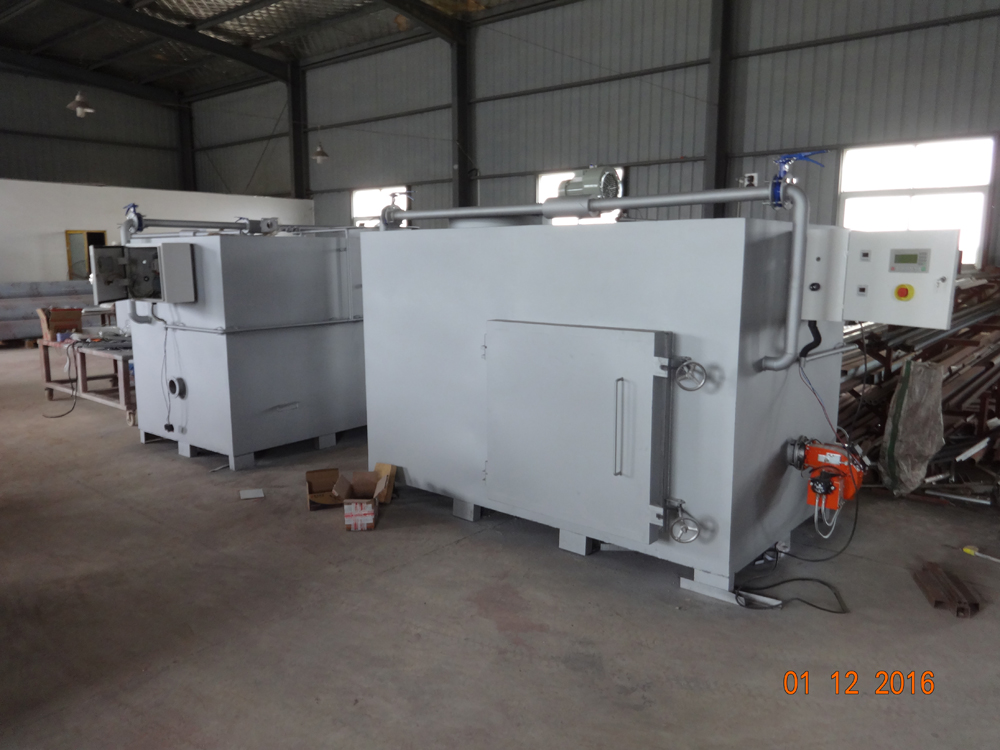
MEDICAL/BIOLOGICAL WASTE INCINERATOR
SPECIFICATIONS OF THE MEDICAL/BIOLOGICAL WASTE INCINERATOR It should be a three chambered incinerator The load capacity of 250 kg The housing for the incinerator should be able to withstand the temperatures and other operational requirements. The chimney should have a strong refractory lining of special type of cement to withstand temperatures more than 1200oc. It should have a strong base for the machine to keep it stable, firm and secure during its operational lifespan. The primary (combustion) and the secondary (scorching) chambers to be fitted with burners for effective combustion. In the third chamber, scrubbers and precipitators will need to be installed as pollution control equipment before emission of gases into the atmosphere. A system for continuous emission Monitoring and Environmental Monitoring. A mechanism with which to treat the waste water before discharge into the sewerage system. Temperature control and monitoring devices (probe thermometer) should be availed to ensure that the right temperatures are attained in the chambers during operation. Motor (fans) sufficient to induce enough air into the combustion chambers and direct the gases towards the flue 9 chimney). High power electricity and emergency generator connection for automated ignition purposes. The chimney should be tall enough and be at least one meter above the tallest building in the vicinity. The fuel tank (industrial diesel) to be constructed next to but out side the incinerator housing for security purposes and to prevent fire hazards. Capacity of 250. Other Requirements Training of all the personnel involved in health care waste (HCW) management. The Automatic Feeding system of the Incinerator Automatic waste loading mechanism with conveyor belts. These will lead the waste into the first primary chamber. An Automatic bottom ashes discharge system.
Read More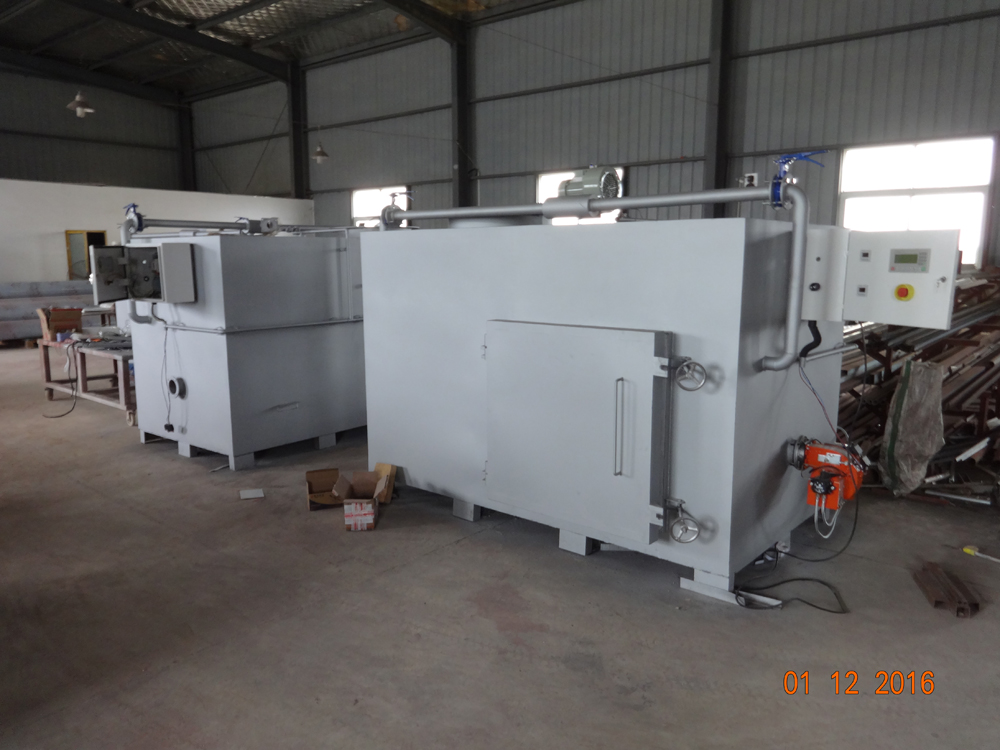
MEDICAL/BIOLOGICAL WASTE INCINERATOR
SPECIFICATIONS OF THE MEDICAL/BIOLOGICAL WASTE INCINERATOR It should be a three chambered incinerator The load capacity of 250 kg The housing for the incinerator should be able to withstand the temperatures and other operational requirements. The chimney should have a strong refractory lining of special type of cement to withstand temperatures more than 1200oc. It should have a strong base for the machine to keep it stable, firm and secure during its operational lifespan. The primary (combustion) and the secondary (scorching) chambers to be fitted with burners for effective combustion. In the third chamber, scrubbers and precipitators will need to be installed as pollution control equipment before emission of gases into the atmosphere. A system for continuous emission Monitoring and Environmental Monitoring. A mechanism with which to treat the waste water before discharge into the sewerage system. Temperature control and monitoring devices (probe thermometer) should be availed to ensure that the right temperatures are attained in the chambers during operation. Motor (fans) sufficient to induce enough air into the combustion chambers and direct the gases towards the flue 9 chimney). High power electricity and emergency generator connection for automated ignition purposes. The chimney should be tall enough and be at least one meter above the tallest building in the vicinity. The fuel tank (industrial diesel) to be constructed next to but out side the incinerator housing for security purposes and to prevent fire hazards. Capacity of 250. Other Requirements Training of all the personnel involved in health care waste (HCW) management. The Automatic Feeding system of the Incinerator Automatic waste loading mechanism with conveyor belts. These will lead the waste into the first primary chamber. An Automatic bottom ashes discharge system.
Read More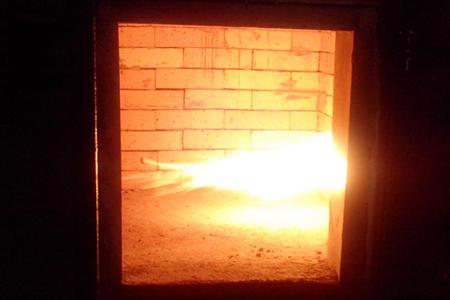
Incinerator Alumina content of refractory
Material of construction Case – 5mm mild steel. Bracing – Heavy angle and channel. Hearth – 1550⁰C castable general purpose high strength, high abrasion resistant monolithic refractory concrete. Ashing door – High grade cast iron. Loading door – 5mm mild steel lined with 1550⁰C castable general purpose high strength, high abrasion resistant monolithic refractory concrete. Refractory concrete: Alumina content of refractory Refractory thickness Minimum 49% At least 127mm. Insulation to walls 1000⁰C Castable insulation Chimney stack: Chimney Height from base 3.5 mm mild steel 9 meters above ground level and clear the highest point of the building by not less than 3 meters At least 560mm At least 750Kg Controls: Draught Air supply Electric Barometric indicator, door operated draught limiter Built-in forced heated air ducts, primary and secondary (intensifier) Control panel – Circuit breakers, main switch, timer, pilot lights, 2 set point pyrometer and one set point pyrometer. Electricity supply required 415 Volts Three phase. Auxiliary fuel Electrically operated only Emission Multiple chamber design with inbuilt emission control Paint: Case and stack 400⁰C Heat Resistant Grey Temperature of case 100⁰C
Read More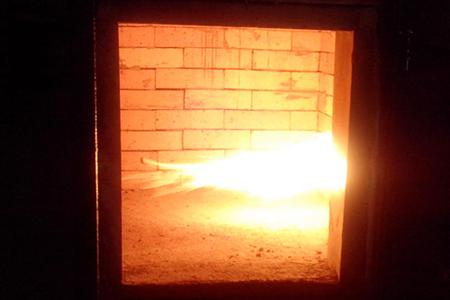
Incinerator Alumina content of refractory
Material of construction Case – 5mm mild steel. Bracing – Heavy angle and channel. Hearth – 1550⁰C castable general purpose high strength, high abrasion resistant monolithic refractory concrete. Ashing door – High grade cast iron. Loading door – 5mm mild steel lined with 1550⁰C castable general purpose high strength, high abrasion resistant monolithic refractory concrete. Refractory concrete: Alumina content of refractory Refractory thickness Minimum 49% At least 127mm. Insulation to walls 1000⁰C Castable insulation Chimney stack: Chimney Height from base 3.5 mm mild steel 9 meters above ground level and clear the highest point of the building by not less than 3 meters At least 560mm At least 750Kg Controls: Draught Air supply Electric Barometric indicator, door operated draught limiter Built-in forced heated air ducts, primary and secondary (intensifier) Control panel – Circuit breakers, main switch, timer, pilot lights, 2 set point pyrometer and one set point pyrometer. Electricity supply required 415 Volts Three phase. Auxiliary fuel Electrically operated only Emission Multiple chamber design with inbuilt emission control Paint: Case and stack 400⁰C Heat Resistant Grey Temperature of case 100⁰C
Read More